

Why Fresh Roasted Coffee Is Better: A Brewing Guide
Table of Contents
- What Makes Fresh Roasted Coffee Better
- How Roasting Changes Coffee Beans and Flavor
- Does Coffee Need to Rest After Roasting
- How Long After Roasting to Brew Coffee
- How to Store Coffee Beans for Maximum Freshness
- Fresh Roasted vs. Grocery Store Coffee: What's the Difference
- Getting Started With Fresh Roasted Coffee
- Frequently Asked Questions
Last Updated: October 18, 2026
What Makes Fresh Roasted Coffee Better
Fresh roasted coffee delivers peak flavor, aroma, and complexity that older beans cannot match. Roasting creates hundreds of flavor compounds that begin breaking down the moment roasting stops, so timing matters enormously.
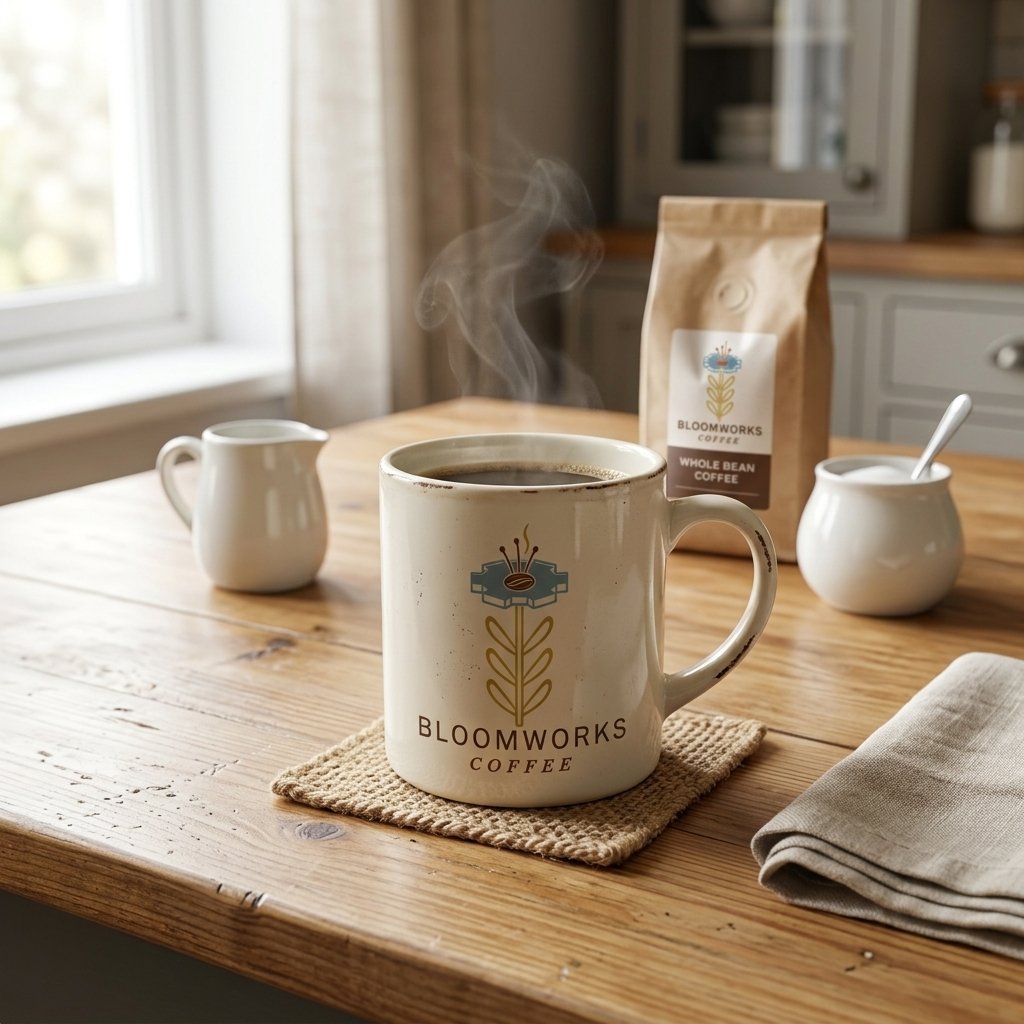
At Bloomworks Coffee, we roast to order because freshness dramatically impacts what you taste. A bag roasted last week tastes noticeably different from one roasted three months ago.

Here's what changes as coffee ages:
- Flavor compounds oxidize and fade
- Aroma becomes flat and muted
- Sweetness dulls into bitterness
- Complexity collapses into one-note harshness
- Oils on the bean surface turn rancid
Coffee beans are porous and absorb moisture and oxygen, which breaks down the chemistry that makes coffee taste good.
Fresh roasted coffee tastes brighter, sweeter, and more nuanced because you're brewing beans at their optimal moment, with flavor compounds and aroma still intact.
How Roasting Changes Coffee Beans and Flavor
Roasting transforms raw, pale green coffee beans into the dark, aromatic beans you recognize. During roasting, heat triggers chemical reactions called the Maillard reaction and caramelization. These reactions create the hundreds of flavor compounds that make coffee taste like coffee.
Think of roasting as cooking: heat unlocks flavors that don't exist in raw beans. Light roasts retain more origin flavors, medium roasts develop deeper balance, and dark roasts create bold, smoky, chocolate-forward profiles.
The roast level dramatically affects what you taste:
- Light roasts preserve bright acidity and fruity or floral notes
- Medium roasts balance origin character with developed sweetness
- Dark roasts emphasize cocoa, caramel, and smoky body
The Bloomworks Coffee Best Sellers Sample Pack lets you experience this directly. It includes six different roasts and origins so you can taste how roasting level shapes flavor.

Once roasting stops, the race against time begins. Flavor compounds are unstable, and exposure to air, light, and moisture breaks them down immediately. This is why roast date matters more than any other factor in coffee freshness.
Does Coffee Need to Rest After Roasting
Yes, fresh roasted coffee needs time to rest after roasting, but not to let flavors "develop." Resting lets the beans degas.
During roasting, beans absorb carbon dioxide and release it through their porous surface afterward. This is called degassing.
The degassing timeline depends on roast level, but it also depends on how the beans were roasted and how they are packaged. Here is a practical starting point:
- Light roasts degas quickly, usually ready in 12-24 hours
- Medium roasts need 24-48 hours
- Dark roasts can take 48-72 hours or longer
For most home brewers, waiting 3-5 days after roasting hits the sweet spot. The beans have mostly degassed, but they're still in their flavor peak. You get the benefits of freshness without the brewing problems that come with over-gassing.
The timeline isn't a single number. A dark roast in a one-way valve bag may be ready in two days, while a light roast in a sealed bag may need four.
"Roasted to order" services like Bloomworks Coffee time shipping carefully so you receive beans that have rested enough to brew well but are still fresh enough to taste their best.
Taste the same coffee at day two, day five, and day ten: day two may be sharp and gassy, day five balanced, and day ten flatter. That comparison teaches you more than any fixed rule.
How Long After Roasting to Brew Coffee
You can brew coffee as soon as it has mostly degassed, typically 3-5 days after roasting for most brewing methods. This is the practical window where beans are fresh enough to taste excellent but stable enough to extract evenly.
The timeline shifts based on how you brew:
- Pour-over and drip tolerate fresh beans well; start at day 3
- French press works best with beans 5-7 days old (the immersion brewing style handles fresh coffee better)
- Espresso needs beans 5-10 days old (fresh beans can choke espresso machines due to lingering gas)
- Cold brew works with beans up to 2 weeks old (the long steep time masks some degassing effects)
Different methods extract differently. Pour-over is forgiving; espresso is finicky. Beans that are too fresh create excessive pressure and channeling in espresso, yielding sour, weak shots. Waiting a few extra days solves this.
The peak flavor window stays open for about 2-4 weeks after roasting, depending on storage. After that, oxidation accelerates and quality drops noticeably. This is why buying whole beans in small quantities makes sense. A bag that lasts two weeks tastes better than a bag that lasts two months.
How to Store Coffee Beans for Maximum Freshness
Store whole beans in an airtight container away from light, heat, and moisture. These are the three enemies of coffee freshness.
Light breaks down flavor compounds through oxidation, heat speeds up chemical breakdown, and moisture causes unwanted flavors and mold. Avoid all three and your beans stay fresher longer.
Best Sellers Sample Pack: 6Bean, Cowboy, Breakfast, Peru, Mexico, Bali →
The best storage setup includes:
- Airtight container with a one-way valve (lets gas escape, prevents air from entering)
- Cool, dark location like a cabinet or pantry (not the fridge or freezer, condensation damages beans)
- Original bag if it has a one-way valve (these bags are designed for coffee storage)
- Small quantities purchased frequently (a two-week supply beats a two-month supply)
Never store beans in the fridge or freezer: condensation forms every time you open the container, introducing moisture that ruins the beans. Room temperature storage in an airtight container works better.
Grinding right before brewing preserves freshness best. Ground coffee has more surface area exposed to air and stales much faster than whole beans (Carbon monoxide emission rates from roasted whole bean and ground coffee). If you must buy pre-ground, use it within a week; whole beans stay fresh 2-4 weeks if stored properly.
| Storage Method | Freshness Window | Best For |
|---|---|---|
| Whole beans, airtight container | 2-4 weeks | Daily brewing |
| Whole beans, original bag with valve | 2-4 weeks | Convenient storage |
| Ground coffee, airtight container | 5-7 days | Busy schedules |
| Freezer storage | Not recommended | Introduces moisture |
How to Read a Roast Date and Choose Package Sizes
A roast date tells you when beans were roasted; a best-before date tells you when the seller thinks the coffee is still acceptable. They are not the same. A bag with a best-before date six months out may already be weeks past its roast date, so look for a printed roast date.
Match package size to your brewing pace. One 12-ounce cup per day means a 12-ounce bag lasts about two weeks. A 2-pound bag makes sense for two people only if you finish it within a month. Buy a two-week supply and reorder when you open the last bag.
Packaging and Shipping Effects
One-way valve bags let carbon dioxide escape while limiting oxygen entry, which is why many roasters pack coffee within hours of roasting. Sealed bags without a valve trap gas but protect against oxygen. Neither stops staling forever, and transit time matters: a bag that spends a week shipping is a week older when it reaches you. Compare roast date plus shipping time, not roast date alone.
Freshness Myths to Avoid
- Myth: Coffee is always best immediately after roasting. In practice, most beans need a few days to degas before they brew evenly.
- Myth: The freezer keeps coffee fresh indefinitely. Freezing can slow staling, but moisture and repeated temperature changes often do more harm than good for home storage.
- Myth: A best-before date is a freshness date. It is a quality limit set by the seller, not a roast date.
Brew the same coffee at day three, day ten, and day twenty, noting aroma, sweetness, and bitterness. You'll see how storage and age affect the cup more clearly than any label.
Fresh Roasted vs. Grocery Store Coffee: What's the Difference
Grocery store coffee is usually roasted weeks or months before you buy it. Mass-produced coffee prioritizes shelf stability over flavor, optimized for consistency and long storage rather than peak taste.
Here's what happens to grocery store coffee:
- Roasted in large batches at centralized facilities
- Shipped to distribution centers
- Sits in warehouses for weeks
- Travels to retail stores
- Sits on shelves for weeks or months
- Finally reaches your home
By the time you brew it, the roast date is ancient. The flavor compounds have oxidized. The aroma is flat. What you taste is a shadow of what that coffee could have been.
Fresh roasted coffee from specialty roasters like Bloomworks Coffee follows a different path:
- Roasted in small batches to order
- Rested for 3-5 days to degas
- Shipped directly to you
- Arrives at peak freshness
- Brewed within days of roasting
The taste difference is dramatic. Fresh roasted coffee tastes brighter, sweeter, and more complex, with noticeable origin character: fruity notes in Ethiopian coffee, chocolate sweetness in Colombian, earthy body in Indonesian. Grocery store coffee tastes flat by comparison.

The other difference is transparency. Specialty roasters print roast dates so you know exactly when beans were roasted.
Getting Started With Fresh Roasted Coffee
Start by trying fresh roasted coffee from a specialty roaster. Buy a small bag and note the roast date. Wait 3-5 days, then brew it. Compare it to your usual grocery store coffee. You'll taste the difference immediately.
Here's how to get the most from fresh roasted coffee:
- Buy whole beans and grind just before brewing
- Check the roast date and wait 3-5 days before brewing
- Store in an airtight container away from light and heat
- Brew within 2-4 weeks of the roast date for peak flavor
- Try different origins and roast levels to find what you prefer
- Keep notes on what you taste and what you like
Fresh roasted coffee isn't complicated: beans roasted recently, stored properly, and brewed soon after. The flavor difference makes the small effort worthwhile.
The Single Origin Coffee Sample Pack from Bloomworks Coffee offers another way to explore. Six 2-ounce ground portions let you compare flavor profiles side by side without committing to full bags.
Freshness transforms coffee from a morning necessity into a genuine pleasure. When you drink fresh roasted coffee, you're tasting what the roaster intended. You're experiencing the origin character, the roast skill, and the care that went into each bag.
At Bloomworks Coffee, we roast to order because we believe coffee deserves to be fresh. Plus, 10% of every purchase supports mental health nonprofits, so your morning ritual also supports a cause that matters. Find Your Roast and taste the difference freshness makes.
Frequently Asked Questions
How long after roasting should I brew fresh roasted coffee?
Most fresh roasted coffee reaches peak flavor 3-7 days after roasting, depending on your brewing method. Light roasts are best within 5-10 days; dark roasts can be brewed immediately or within 2-3 days. This window allows carbon dioxide to escape while flavor compounds stabilize. Espresso benefits from a 5-10 day rest, while pour-over can start at 3 days. Coffee stays flavorful for 2-4 weeks if stored properly in an airtight container away from light and heat.
Does fresh roasted coffee need to rest before brewing?
Yes. Freshly roasted beans release carbon dioxide during degassing, which can interfere with extraction and create uneven brewing. A 24-48 hour rest is minimum; 3-7 days is ideal for most brewing methods. This resting period allows the beans to stabilize. Without rest, your brew may taste sour or under-extracted.
Why does fresh roasted coffee taste better than grocery store coffee?
Fresh roasted beans retain more flavor compounds, aroma, and natural sweetness because they haven't oxidized or lost volatile oils over time. Grocery store coffee is often weeks or months old, losing brightness and complexity. Fresh roasted coffee has more vibrant acidity, cleaner body, and pronounced tasting notes, whether fruity, chocolatey, or caramel. The roasting process unlocks hundreds of flavor compounds through caramelization; these compounds fade quickly once exposed to oxygen. Roasted-to-order coffee like Bloomworks ensures you receive beans at their peak freshness.
How should I store fresh roasted coffee beans?
Store whole beans in an airtight container away from light, heat, and moisture. Keep them at room temperature, not in the refrigerator or freezer, which can cause condensation and degradation. Avoid clear containers that expose beans to light, which speeds oxidation. Keep beans away from the stove and direct sunlight. Properly stored, whole beans stay fresh for 2-4 weeks. Grind immediately before brewing to preserve aroma and flavor.