

Support Mental Health: Buy Specialty Coffee That Matters
Table of Contents
- How Specialty Coffee Purchases Support Mental Health Initiatives
- Coffee Brands That Support Mental Health: What Sets Them Apart
- How to Verify Coffee Charity Donations Are Real
- How to Check Nonprofit Financial Transparency
- Choosing Specialty Coffee by Roast, Origin, and Freshness
- Starting a Coffee Fundraiser for Mental Health in Your Community
- Why Peak Freshness and Ethical Sourcing Matter
- Frequently Asked Questions
Last Updated: October 14, 2026
How Specialty Coffee Purchases Support Mental Health Initiatives
When you buy support mental health specialty coffee, you're making a choice that extends far beyond your morning cup. At Bloomworks Coffee, we've seen firsthand how purchasing decisions can fuel meaningful change in mental health advocacy and support.


Here's how it works: specialty coffee brands that prioritize mental health initiatives dedicate a portion of every sale to nonprofits and foundations focused on therapy access, crisis support, and community mental health programs. This model transforms an everyday purchase into a form of activism.
The connection matters because mental health services remain underfunded and under-resourced in many communities. Nonprofits addressing grief, trauma, recovery, and emotional support often operate on tight budgets. Revenue from specialty coffee sales provides flexible funding these organizations desperately need. Unlike traditional donations, which require a separate transaction and decision, buying coffee you already use creates sustainable, recurring support.
Coffee Brands That Support Mental Health: What Sets Them Apart
Not all specialty coffee brands commit equally to mental health causes. The ones that stand out share clear, measurable commitments to nonprofit funding and transparent reporting of impact.
Bloomworks Coffee distinguishes itself by dedicating 10% of every sale to mental health nonprofits. This isn't a vague commitment, it's a specific percentage that flows directly to organizations supporting therapy access, mental health awareness, and stigma reduction.
What separates genuine mental health-focused coffee brands from those making superficial claims:
- Specific donation percentage or dollar amount per purchase
- Named nonprofit partners (not generic "mental health causes")
- Public reporting of annual donations and which organizations received funding
- Ongoing commitment, not a limited-time campaign
- Ethically sourced beans with fair compensation for coffee farmers and workers
Many brands mention "supporting mental health" in their marketing but provide no details about where money actually goes. When you see vague language like "a portion of proceeds" without specifics, that's a red flag. Legitimate brands are transparent about percentages, partner organizations, and annual impact reports.
Bloomworks Coffee's approach includes access to exclusive seasonal coffee collections while maintaining peak freshness through roasting to order. This combination, social impact plus quality, appeals to consumers who want their purchasing power to mean something tangible.
How to Verify Coffee Charity Donations Are Real
Skepticism is warranted. Many companies make mental health claims without substantiation. Before committing to a brand, verify that donations actually reach nonprofits and that the organizations receiving funds are legitimate.
Start by checking the brand's website for a dedicated page about their mental health program. Legitimate brands publish this information prominently. Look for:
- The specific percentage of sales donated
- Names of nonprofit partners
- Annual donation amounts or ranges
- A link to nonprofit partners' websites
- Proof of donations (screenshots of receipts, annual reports, or third-party verification)
Visit the nonprofit partners' websites directly. Verify they exist, understand their mission, and confirm they're registered with the IRS as legitimate 501(c)(3) organizations. You can search any nonprofit's registration status and financial documents on the IRS website or through GuideStar (now known as Candid), which provides free access to nonprofit financial data.
Cross-reference the coffee brand's claims against what the nonprofits say about them. If a brand claims to donate to an organization, that organization should mention the partnership on their website or in their annual report. Mismatches suggest misleading marketing.
Red Flags That Signal Misleading Claims
Certain warning signs indicate a brand is overstating its mental health commitment:
- No specific donation percentage or amount ("We support mental health" without numbers)
- Nonprofit partners that don't exist or aren't registered (search the IRS database to verify)
- No public record of donations (legitimate nonprofits acknowledge major donors)
- Vague language about "portion of proceeds" without defining the percentage
- Limited-time campaigns presented as ongoing commitment
- No link to nonprofit partners' websites or financial transparency
- Unverifiable claims about impact ("helping thousands" without data)
- Generic mental health messaging without specific programs (therapy access, crisis support, awareness)
If a brand can't or won't provide specific information about where donations go, that's a signal to look elsewhere.
How to Check Nonprofit Financial Transparency
Once you've identified the nonprofits a coffee brand supports, verify their financial health and how they use donations. Transparent nonprofits publish annual financial reports (called Form 990) that show exactly how funds are allocated.
Access nonprofit financial data through these resources:
- IRS Tax-Exempt Organization Search (irs.gov): Search by organization name to confirm 501(c)(3) status and access Form 990 filings
- Candid (formerly GuideStar) (candid.org): Free nonprofit profiles with financial summaries and mission details
- Charity Navigator (charitynavigator.org): Ratings and financial analysis of major nonprofits
- ProPublica Nonprofit Explorer (projects.propublica.org/nonprofits): Searchable database of Form 990 filings
Look for nonprofits that allocate at least 75% of donations to programs (therapy access, support services, awareness campaigns) rather than administrative overhead. Form 990 filings break down spending by category, making this easy to verify.
Also check how long the nonprofit has been operating and whether their leadership is stable. A nonprofit that's been supporting mental health services for five or more years, with consistent leadership, is lower risk than a newly formed organization.
Choosing Specialty Coffee by Roast, Origin, and Freshness
Understanding specialty coffee helps you make informed purchases that align with your values and taste preferences. Quality matters both for your experience and for the farmers and workers in the coffee supply chain.
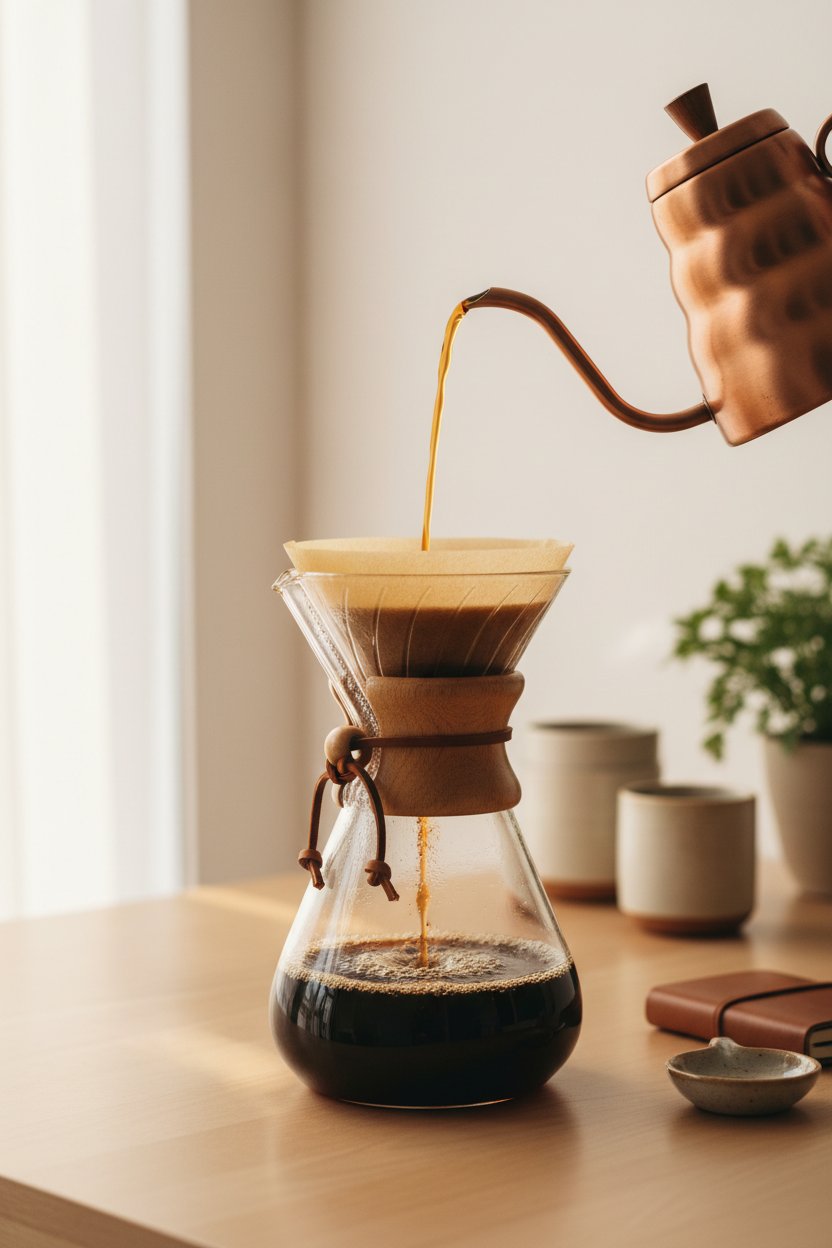
Roast levels affect flavor and caffeine content:
- Light roast: Bright, acidic, fruity notes; more caffeine; highlights the bean's origin characteristics
- Medium roast: Balanced flavor; moderate caffeine; smoother than light, more complexity than dark
- Dark roast: Bold, smoky, low acidity; slightly less caffeine; earthy or chocolatey notes
Origin refers to where the coffee was grown. Single-origin coffees come from one country or region and showcase that area's unique flavor profile. Central and South American coffees tend toward nutty, sweet, and chocolate notes. African coffees often feature fruity or floral characteristics.
Coffee with Mushrooms Medium Roast →
Freshness is critical. Coffee begins losing flavor within days of roasting. Bloomworks Coffee roasts to order, meaning your beans are roasted after you purchase them, ensuring peak freshness when they arrive. This is different from mass-produced coffee that may have been roasted weeks or months before reaching you.
When selecting specialty coffee, consider your brewing method. French press and pour-over brewing work well with medium roasts. Espresso requires finer grinding and often benefits from darker roasts. Cold brew works with any roast but extracts differently depending on the bean's characteristics.
Starting a Coffee Fundraiser for Mental Health in Your Community
If you want to amplify the impact of specialty coffee purchasing, consider organizing a fundraiser for mental health in your workplace, school, or community group. Coffee fundraisers are effective because they require minimal overhead and generate genuine enthusiasm.

Steps to launch a coffee fundraiser:
-
Choose your nonprofit partner, Select a local or national mental health organization aligned with your values. Verify their 501(c)(3) status and review their mission.
-
Select a specialty coffee supplier, Partner with a brand that supports mental health, like Bloomworks Coffee, or negotiate a wholesale arrangement with a local roaster willing to donate a percentage of sales.
-
Set a fundraising goal, Be specific. "Raise $500 for crisis support services" is more motivating than "raise money for mental health."
-
Promote the fundraiser, Use email, social media, and word-of-mouth to explain the connection between coffee purchases and mental health support. Share the nonprofit's mission and impact.
-
Make purchasing easy, Offer pre-order forms, set a deadline, and arrange delivery or pickup. Simplicity increases participation.
-
Report results, After the fundraiser, share how much was raised and which services the nonprofit will provide with the funds. Transparency builds trust for future fundraisers.
Coffee fundraisers work because they align daily habits with purpose. Participants get quality coffee they'd buy anyway while supporting mental health services in their community.
Why Peak Freshness and Ethical Sourcing Matter
Two factors distinguish specialty coffee that truly supports mental health initiatives: freshness and ethical sourcing practices.
Peak freshness in support mental health specialty coffee affects both flavor and your experience. Stale coffee tastes flat and bitter, which undermines the ritual and mindfulness that make coffee a meaningful part of your day.
Ethical sourcing ensures that coffee farmers and workers receive fair compensation and safe working conditions. This matters because coffee farming is labor-intensive work often performed in regions with limited worker protections.
The connection between ethical sourcing and mental health is less obvious but important. By choosing ethically sourced coffee, you're supporting mental health across the entire supply chain, from farmers to roasters to consumers.
Bloomworks Coffee combines peak freshness through roasting to order with ethically sourced single-origin beans from the world's finest growing regions. This dual commitment means your coffee purchase supports both immediate mental health nonprofits and the long-term wellbeing of the people who grow and process your beans.
| Selection Criteria | Why It Matters | What to Look For |
|---|---|---|
| Roast date | Freshness affects flavor and experience | Roasted within 2-14 days of purchase |
| Single-origin beans | Supports specific farms and regions | Named origin (Ethiopia, Colombia, etc.) |
| Ethical sourcing | Ensures fair wages and safe conditions | Fair trade certification or direct farm relationships |
| Donation transparency | Verifies mental health support is real | Specific percentage, named nonprofits, public reporting |
| Nonprofit partners | Confirms funds reach legitimate organizations | 501(c)(3) status, Form 990 filings available |
Choosing specialty coffee that supports mental health is a practical way to align your daily habits with your values. With Bloomworks Coffee, you enjoy beans roasted to order for peak freshness while directly supporting mental health nonprofits with 10% of every sale. Learn more about mental health nonprofit transparency through Candid's nonprofit database.
Frequently Asked Questions
How can buying specialty coffee actually support mental health organizations?
When you purchase specialty coffee from brands committed to mental health causes, a portion of your purchase goes directly to nonprofits providing therapy access, awareness programs, and support services. Bloomworks Coffee, for example, directs 10% of every sale to mental health nonprofits. This model lets you support professional mental health services and community initiatives with purchases you're already making, creating a direct link between your daily coffee ritual and real mental health resources.
How do I verify that a coffee company actually donates to mental health nonprofits?
Ask for specific details: Which nonprofits receive donations? What percentage of sales goes to them? Request annual impact reports showing dollar amounts and recipient organizations. Check the nonprofit's own financial filings with the IRS (Form 990s are public). Legitimate coffee brands that support mental health will publish this information on their website or provide it upon request. If a company is vague about where money goes or won't name specific organizations, that's a warning sign.
What should I look for in a nonprofit's financial transparency to confirm donations are legitimate?
Review the nonprofit's Form 990 (available free on GuideStar or ProPublica's Nonprofit Explorer) to see their total revenue, program expenses, and administrative costs. Legitimate nonprofits should spend 65-75% or more on programs, not overhead. Check whether the coffee brand is listed as a donor. Look for annual reports that detail how mental health services are delivered. If a nonprofit can't explain how donations translate into therapy access, awareness campaigns, or support programs, question the partnership's authenticity.
Does buying specialty coffee for a cause actually make a meaningful difference?
Yes, when aggregated across many purchases. A single bag of specialty coffee at $20-24 contributing 10% means $2-2.40 per purchase going to mental health services. While one purchase seems small, consistent buying and community participation multiply the impact. Specialty coffee brands that support mental health often partner with multiple nonprofits, allowing donations to fund therapy access, crisis support lines, and awareness reduction campaigns. The key is choosing brands with transparent, verified partnerships and checking that your donations reach actual programs.