

Buy Ethically Sourced Coffee Online: A 2026 Guide
Table of Contents
- What Ethically Sourced Coffee Actually Means
- Understanding Ethically Sourced Coffee Brands and Their Standards
- What Direct Trade Coffee Means for Farmers
- How to Buy Fair Trade Coffee Online
- Freshly Roasted Ethical Coffee: Why Roast-to-Order Matters
- Single-Origin Beans, Smallholder Farmers, and Supply Chain Transparency
- How to Verify Ethical Claims and Avoid Greenwashing
- Frequently Asked Questions
Last Updated: October 19, 2026
What Ethically Sourced Coffee Actually Means
When you buy ethically sourced coffee online, you're choosing where your money goes and who benefits. At Bloomworks Coffee, we believe this matters. Ethically sourced coffee means beans grown and traded to prioritize fair compensation for farmers, environmental stewardship, and transparent supply chains, a commitment across farmer welfare, land management, working conditions, and community investment, not a single standard.
The term covers several practices: Fair Trade certification ensures minimum prices and long-term contracts; organic farming eliminates synthetic pesticides and promotes soil health; direct trade connects roasters to farms, cutting out middlemen so farmers capture more value; and shade-grown methods preserve forest ecosystems while producing complex coffee. Each addresses different aspects of sustainability and fairness.
What makes ethically sourced coffee different is transparency. You can often trace beans back to the specific farm, cooperative, or region where they grew, which holds the supply chain accountable. When you know a coffee came from smallholder farmers in Ethiopia's Sidama zone or a cooperative in Tanzania's Mbeya region, you're not buying a commodity, you're buying a story backed by verifiable practices.
Understanding Ethically Sourced Coffee Brands and Their Standards
Not all ethical claims are created equal. The difference between brands often comes down to which certifications they pursue and how deeply they commit to transparency. Some emphasize Fair Trade, others direct relationships, organic farming, or shade-grown methods. The best ethical coffee brands combine multiple standards rather than relying on a single label.
When you evaluate ethically sourced coffee brands, look for specificity. Vague claims like "responsibly sourced" or "ethically traded" without documentation are common greenwashing. Real commitment shows up in concrete details: the farm or cooperative name, altitude, processing method, and price paid to farmers. Brands that publish and update this information put their reputation behind their claims.
Fair Trade Certification
Fair Trade certification guarantees that coffee farmers receive a minimum price for their beans, regardless of market fluctuations. The Fair Trade system also requires investment in community projects, environmental conservation, and worker protections. When you buy Fair Trade certified coffee, you know a portion of the premium goes directly back to producer communities.
The Fair Trade price floor protects farmers from market crashes: when global prices collapse, Fair Trade farmers still earn a living wage, letting them invest in farms, educate their children, and plan ahead. Fair Trade also mandates democratic governance, cooperatives must have a say in how premiums are spent.
However, Fair Trade certification comes with costs. Farmers pay fees, and the bureaucracy can burden small operations. Critics argue its one-size-fits-all approach doesn't reflect diverse farming contexts, and direct trade advocates note that Fair Trade premiums are often smaller than what direct relationships with roasters can earn farmers.
Organic Certification and Sustainable Farming
Organic certification prohibits synthetic pesticides, herbicides, and fertilizers. Coffee grown organically relies on natural soil management, composting, and integrated pest control. Shade-grown organic coffee, where coffee plants grow under a canopy of native trees, provides additional environmental benefits by preserving forest habitat and biodiversity.
Organic farming builds soil health over time. Without chemical inputs, farmers invest in composting, mulching, and crop rotation that improve long-term productivity, yielding coffee with cleaner flavor profiles and reduced chemical residues. Consumers often report organic coffee tastes brighter and more complex than conventionally farmed beans.
The tradeoff is yield and cost. Organic farms typically produce less per acre, and certification requires documentation and testing, so organic coffee costs more at retail. For consumers prioritizing environmental impact and long-term farm sustainability, the premium is justified; budget-conscious buyers might find conventional Fair Trade coffee delivers better value.
What Direct Trade Coffee Means for Farmers
Direct trade is a relationship model rather than a certification. A roaster works directly with a specific farm or farmer cooperative, cutting out the middlemen, exporters, importers, brokers, who traditionally take margins along the supply chain. Direct trade typically means the roaster pays prices 20-30% higher than Fair Trade minimums because more of the retail price reaches the farmer.
The benefit to farmers is substantial. By eliminating intermediaries, direct trade lets farmers capture the value they create, earn predictable income, invest in farm improvements, and build long-term relationships with roasters who understand their beans. Many relationships span years or decades, creating stability commodity markets cannot offer.
For roasters, direct trade means access to exceptional beans. Working closely with farmers lets roasters influence harvest timing, processing methods, and quality standards, producing single-origin coffee with distinctive character that reflects the farm's terroir, altitude, and farming philosophy.

The challenge is scale. Direct trade requires significant time and travel: roasters must visit farms, build trust, and negotiate contracts individually, limiting how many farmers and how much volume they can source this way.
How to Buy Fair Trade Coffee Online
Buying Fair Trade coffee online starts with recognizing the certification label. Look for the Fair Trade USA seal or the Fair Trade International mark on product pages. These logos indicate the coffee has been independently verified to meet Fair Trade standards.
When shopping online, read the product description carefully. Legitimate Fair Trade coffee brands explain which standards apply and provide context about producer communities, listing the farm or cooperative name, region, and often altitude and processing method. This transparency signals genuine commitment.
Compare prices thoughtfully. Fair Trade coffee typically costs more than conventional coffee, often $4-8 per pound more, because farmers receive higher compensation. If a brand claims Fair Trade certification but prices significantly below market rates, that's a red flag. Real Fair Trade premiums cost money.
Consider subscriptions versus one-time purchases. Many ethical coffee brands offer monthly subscriptions with modest discounts and a steady supply of fresh beans, but they require commitment. If you prefer flexibility, buy single bags until you find a roaster whose beans you consistently enjoy.
Freshly Roasted Ethical Coffee: Why Roast-to-Order Matters
Coffee begins to lose flavor the moment it's roasted. Oxygen gradually oxidizes the oils that give coffee its complexity and brightness. Within 2-4 weeks, most coffee enters a decline, still drinkable, but noticeably flatter than fresh-roasted beans. This is why freshness matters in specialty coffee.
Ethiopian Natural Process Coffee – Fruity & Floral Medium-Light Roast →
Roast-to-order means the roaster waits until you order, then roasts your beans specifically for you, so you receive coffee at peak freshness, typically within 3-7 days of roasting.
The downside is shipping time. If you need coffee immediately, pre-roasted options from local roasters might be faster. However, if you can plan ahead, roast-to-order delivers noticeably better coffee.
Bloomworks Coffee roasts every bag to order, ensuring you receive coffee at its peak. This commitment to freshness is one reason our customers report that our beans taste noticeably better than pre-roasted alternatives. The flavor difference becomes obvious when you brew a cup side by side with older coffee.
Single-Origin Beans, Smallholder Farmers, and Supply Chain Transparency
Single-origin coffee comes from a specific farm, region, or country rather than a blend. Single-origin beans let you taste how terroir, altitude, soil, climate, and processing method shape flavor: an Ethiopian Natural Process coffee tastes distinctly different from a Kenyan washed coffee, even though both grow at similar East African altitudes.

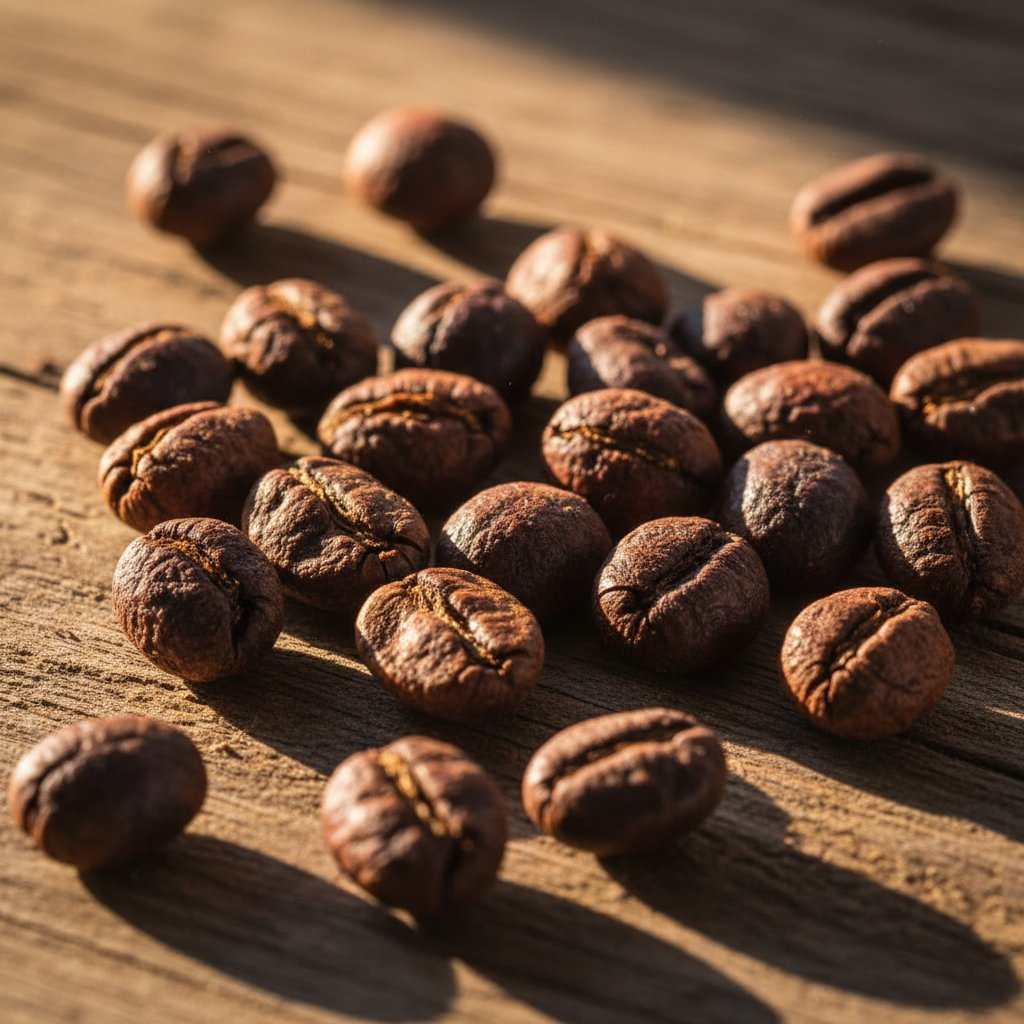
Single-origin sourcing supports smallholder farmers and producer cooperatives. Many single-origin coffees come from small-scale farmers growing 1-5 acres, often within a cooperative that pools resources and shares knowledge and negotiates better prices collectively than individual farmers could alone.
Traceability is the mechanism that makes this work. Ethical coffee brands can tell you exactly which cooperative or farm produced your beans because they source directly or through verified supply chains, creating accountability.
Bloomworks Coffee's single-origin selections, including our Ethiopian Natural Process Coffee from Sidama smallholder farmers and our Kenya Single-Origin Coffee from the Nyeri County cooperative, exemplify this transparency. You can trace each bag back to the specific region and farming community.
How to Verify Ethical Claims and Avoid Greenwashing
Greenwashing, making vague environmental or ethical claims without substantiation, is common in coffee marketing. A brand might say their coffee is "responsibly sourced" or "sustainably grown" without any certification or verifiable evidence.
To verify ethical claims, look for specificity and third-party validation. Legitimate certifications include Fair Trade USA, Fair Trade International, USDA Organic, Rainforest Alliance, and UTZ, organizations that conduct independent audits and verify farms meet stated standards.
Check the brand's website for documentation. Real ethical coffee brands publish information about suppliers, farming practices, and certifications, often including farm photos, cooperative names, and details about how premiums are used.
Look for pricing that reflects ethical commitments. Ethically sourced coffee costs more because farmers are paid fairly and supply chains are transparent.
Consider whether the brand discloses where profits go. Bloomworks Coffee directs 10% of sales to mental health nonprofits, we publish this commitment clearly because it's part of our mission.
Choosing to buy ethically sourced coffee online is choosing to support farmers, protect environments, and invest in supply chain transparency.
At Bloomworks Coffee, every bag you order supports this vision. When you Find Your Roast, you're joining a community that believes coffee can be both exceptional and ethical. Start with our Single Origin Coffee Sample Pack to explore different origins, or dive into a single-origin whole bean like our Tanzania Coffee or Uganda Arabica.

| Certification / Standard | What It Guarantees | Best For | Price Premium |
|---|---|---|---|
| Fair Trade | Minimum farmer prices, community investment, worker protections | Buyers prioritizing farmer welfare and stability | 15-25% above conventional |
| USDA Organic | No synthetic pesticides or fertilizers, soil health focus | Environmentally conscious consumers | 20-30% above conventional |
| Shade-Grown | Forest habitat preservation, biodiversity, complex flavor | Buyers valuing ecosystem health | 10-20% above conventional |
| Direct Trade | Farmer-roaster relationships, transparent pricing, quality collaboration | Specialty coffee enthusiasts seeking traceability | 25-40% above Fair Trade |
| Single-Origin | Traceable to specific farm or region, terroir expression | Adventurous coffee drinkers exploring flavor differences | Varies by origin and quality |
Additional Resources:
For more information on coffee certifications and sourcing standards, explore Fair Trade USA's certification standards and farmer verification process, which details how Fair Trade certification works and which farms meet their requirements. You can also learn about organic coffee farming practices through USDA National Organic Program guidelines for coffee production, which outlines the specific standards organic coffee must meet.
Frequently Asked Questions
What's the difference between direct trade coffee and Fair Trade coffee?
Direct trade coffee involves direct relationships between roasters and farmers, often at higher prices with more transparency. Fair Trade certification sets minimum prices and labor standards through a third-party certifier but doesn't guarantee direct relationships. Both support farmer livelihoods, but direct trade typically offers farmers more control and better prices. When buying ethically sourced coffee online, look for both certifications or explicit sourcing statements that explain the supply chain.
How can I tell if coffee is actually ethically sourced?
Look for specific certifications like Fair Trade, organic, or Rainforest Alliance labels. Check the roaster's website for detailed sourcing information: the specific farm or cooperative name, region, altitude, and farmer payment practices. Roasters committed to ethical sourcing publish this transparently. Avoid vague claims like 'responsibly sourced' without supporting details. Roasters offering single-origin, whole bean coffee from named cooperatives or smallholder farmers are typically more transparent about their supply chain.
Does roasted-to-order coffee actually stay fresher longer?
Yes. Coffee begins losing flavor compounds within days of roasting. Roasted-to-order coffee is roasted after you place your order and shipped immediately, ensuring peak freshness when it arrives. Standard coffee sits in warehouses for weeks or months before shipping. For the best flavor and aroma, freshly roasted ethical coffee should be brewed within two to four weeks of the roast date. Check the roast date on the bag when it arrives.
Why should I pay more for ethically sourced coffee when cheaper options exist?
Ethically sourced coffee funds fair prices for farmers, sustainable farming practices, and often supports community initiatives. Cheaper coffee typically pays farmers minimal prices, sometimes below production costs, forcing them into poverty. When you buy ethically sourced coffee online, you're investing in farmer livelihoods, environmental sustainability, and traceability. Many roasters, including those offering single-origin beans, reinvest profits into farmer cooperatives and social causes, creating measurable impact beyond the cup.